Origin
Cacao from Dak Lak: Why Vietnamese Cacao Is Special
April 9, 2026 · 3 min read
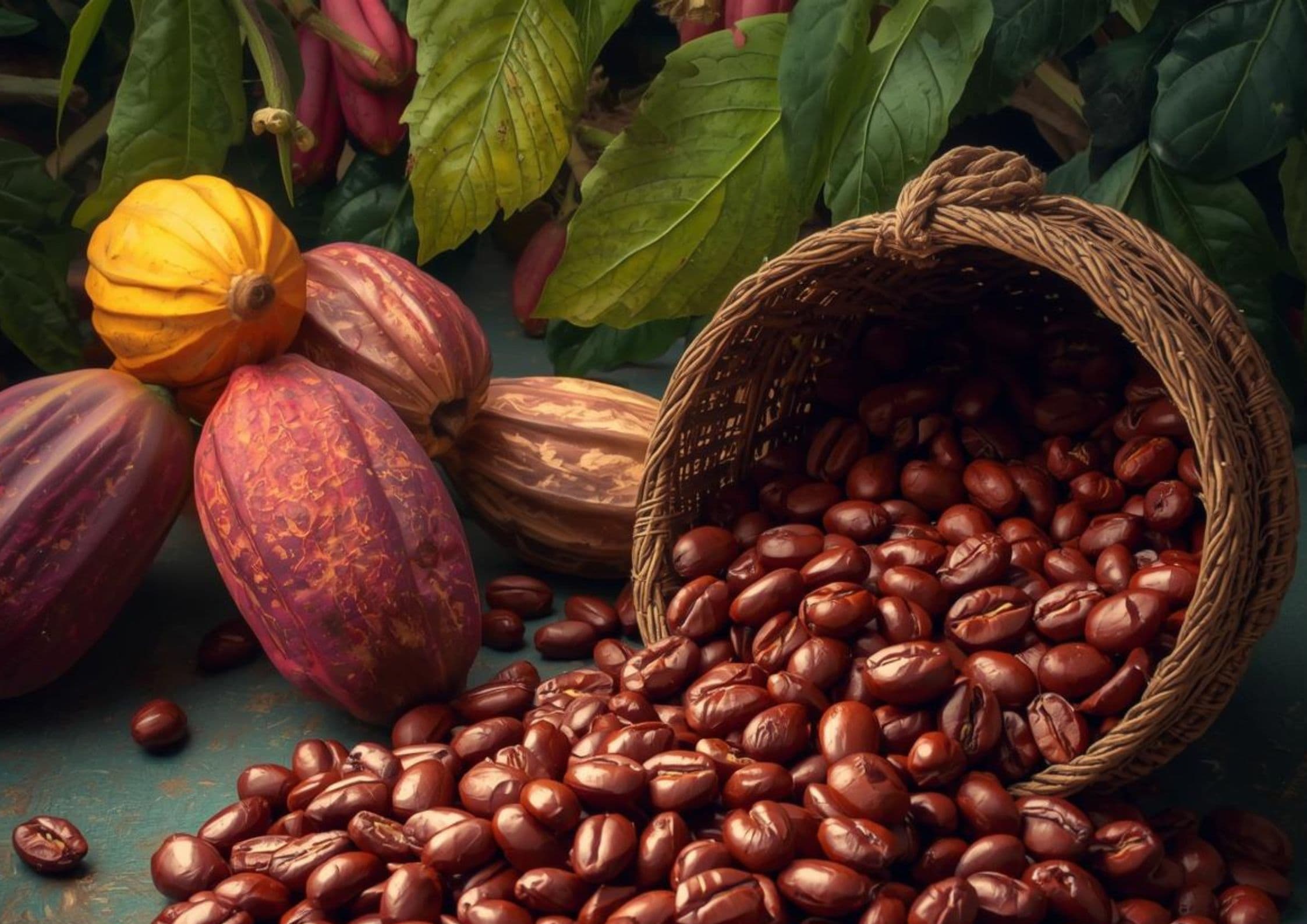
Vietnam Grows World-Class Cacao
When people think of chocolate, they think of Switzerland, Belgium, or West Africa. Nobody thinks of Vietnam.
That is changing.
Vietnam's Central Highlands have volcanic soil, tropical rain, and temperatures that cacao trees love. The beans that come out of this soil are rich, complex, and full of natural compounds that factory farms in other countries cannot match.
Dak Lak province sits at the heart of this region. It is Vietnam's largest cacao-growing area. The same soil that makes Vietnamese coffee famous also grows exceptional cacao.
Why Dak Lak Cacao Is Different
Three things make Dak Lak cacao stand out:
1. Volcanic soil. The Central Highlands were formed by ancient volcanic activity. The soil is rich in minerals that feed the cacao tree from the roots up. Those minerals end up in the bean. When you eat raw cacao from this soil, your body gets magnesium, iron, and zinc that factory cacao from depleted soil cannot provide.
2. Tropical climate. Cacao needs heat, humidity, and shade. Dak Lak delivers all three. The trees grow under taller shade trees, protected from direct sun. The beans develop slowly, building complexity and depth that fast-grown cacao misses.
3. Small farms. Dak Lak cacao comes from small family farms, not industrial plantations. The farmers know their trees. They pick at the right time. They ferment carefully. This attention shows up in the final product.
From Dak Lak to Da Nang
At Erosa, we bring Dak Lak cacao to Da Nang and process it ourselves. The distance is short. A few hours by road. The beans arrive fresh.
This matters because cacao loses potency over time. The longer it sits in a warehouse or travels across an ocean, the less alive it is when it reaches you. Our supply chain is measured in days, not months.
In Da Nang, we keep everything below 42 degrees. No roasting. No cooking. The natural compounds that the Dak Lak soil put into those beans stay intact all the way to your tongue.
What You Taste
Dak Lak cacao has a flavor profile that is different from West African or South American cacao:
- Rich and deep without being bitter
- Slightly fruity with notes that change depending on the season
- Earthy in a way that grounds you, like the volcanic soil it came from
- Complex with layers that reveal themselves as it melts
You do not need sugar to enjoy it. The natural complexity is enough. That is the sign of good cacao.
Why Origin Matters
Most chocolate companies blend cacao from multiple countries. They buy the cheapest beans available and roast them until they all taste the same. Origin does not matter when you are going to burn everything away at 150 degrees.
We do the opposite. Single origin. Single source. Every batch traceable to Dak Lak. When you do not cook the cacao, origin is everything. The soil, the climate, the farming practices, they all show up in the final product.
That is why we put "Dak Lak" on every jar. Not as marketing. As a promise.
Try the difference. Maccasita and Adonis showcase Dak Lak cacao at its richest. Or take the quiz to find which product your body is asking for.